Pilot Episode
PILOT EPISODE – 24 MINUTES
Budget Overview
The pilot is designed as a focused international production built around a streamlined three person core team leading development, field production, and post. On location, the team is supported by experienced local fixers and cultural liaisons to ensure access, safety, and authenticity. This lean structure allows for creative continuity and strong production value while maintaining a disciplined and efficient budget.
Pilot Budget Summary
Pre Production
$3,000 CAD
Production
$22,300 CAD
Travel
$11,900 CAD
Production Expenses
$2,875 CAD
Post Production
$8,00 CAD
Subtotal
$48,075 CAD
Contingency
$4,800 CAD
Total Pilot Budget: $52,875 CAD
Approx. $39,000 USD
Season 1
8 EPISODE SEASON – 24 MINUTE EPISODES
Budget Overview
The season is structured around a three person pre production team, a five person field crew supported by local fixers in each region, and a streamlined four person post team to ensure consistent editorial and visual quality. This model balances international production value with financial efficiency, allowing each episode to deliver immersive cultural storytelling at scale.
Series Budget Summary
8 Episode Season (24 Minute Episodes)
Pre Production
$7,000 CAD
Production
$29,550 CAD
Travel
$20,700 CAD
Production Expenses
$3,600 CAD
Post Production
$13,200 CAD
Subtotal
$74,050 CAD
Contingency
$7,400 CAD
Total Per Episode
$81,175 CAD
Approx. $59,000 USD
Unseen Festivals – Season One: Rituals Across the Globe
An Exploratory Slate
E1: Peru – The Pilgrimage to the Snow Star
(Qoyllur Rit’i, Andes Mountains)
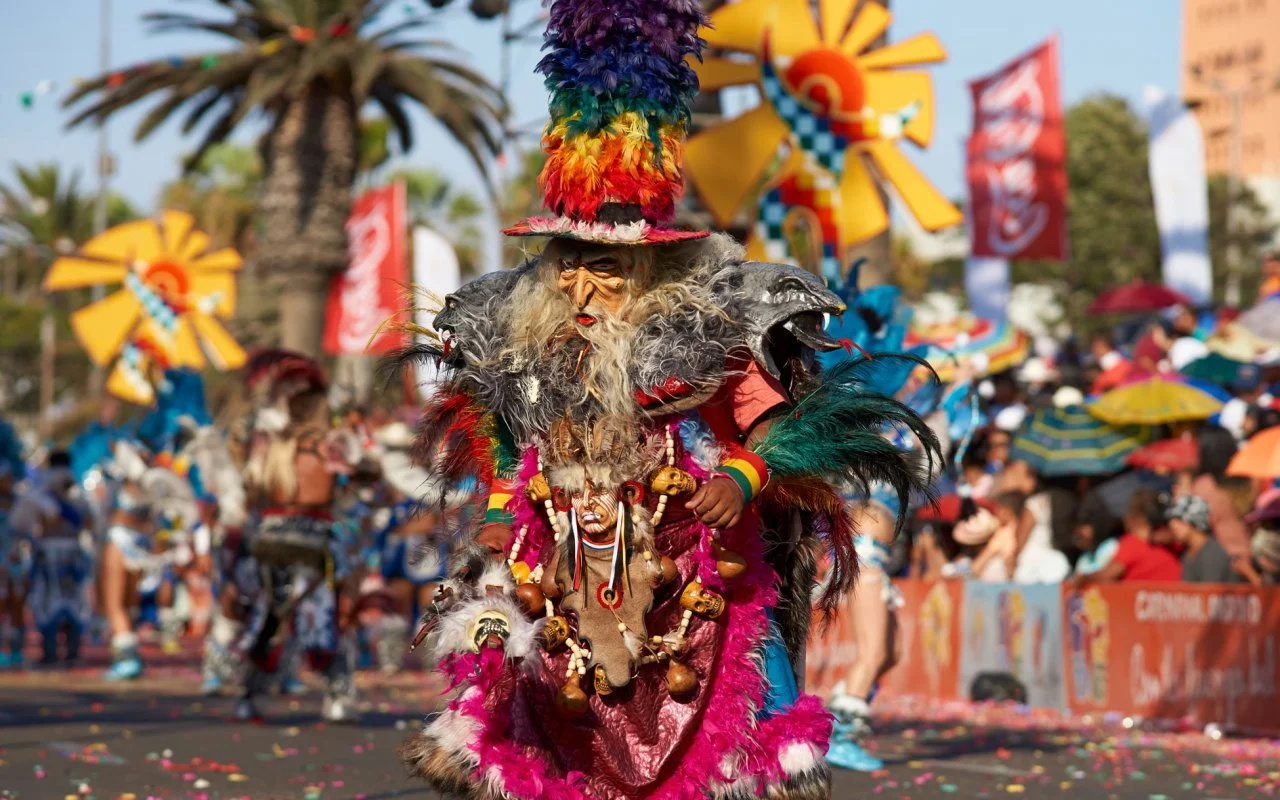
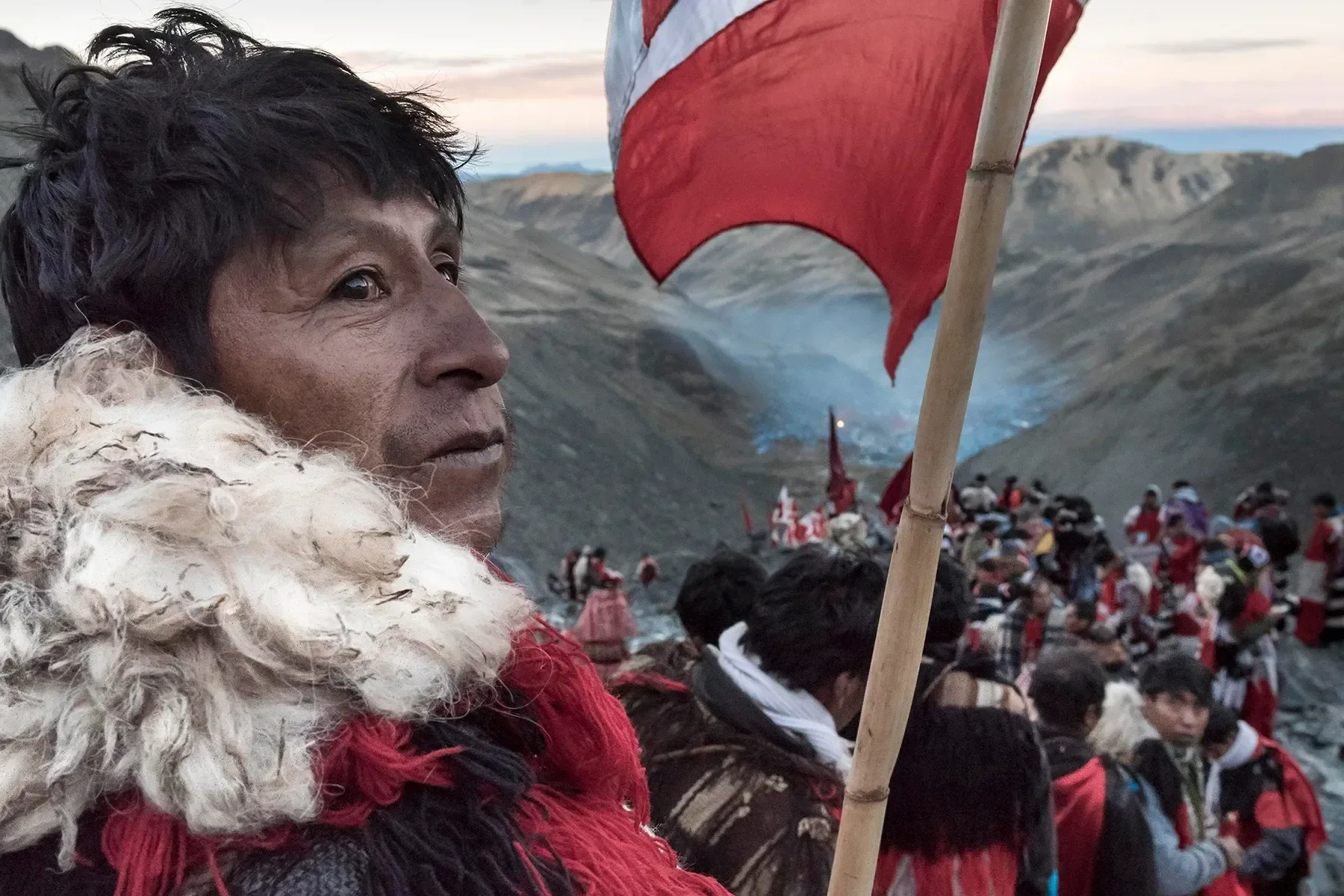
High in the Peruvian Andes, nearly 4,600 meters above sea level, thousands of pilgrims climb toward a sacred glacier for Qoyllur Rit’i, a centuries-old pilgrimage blending Quechua mountain worship with Catholic devotion.
The journey begins in Cusco, where the host acclimatizes to the altitude and meets families preparing embroidered costumes, towering masks, and offerings. As the road rises into jagged alpine terrain, breath shortens and the pilgrimage becomes physical.
By night, torchlit processions and fireworks light the mountain sky. Drums echo through the valley as dancers circle in prayer and families share simple meals of soup, potatoes, roasted meat, and coca tea. At dawn, thousands gather beneath sacred ice, facing the mountain they believe is alive.
Through endurance and shared ritual, the host moves from observer to participant, discovering why this demanding climb is a promise kept year after year by the people of the Andes.
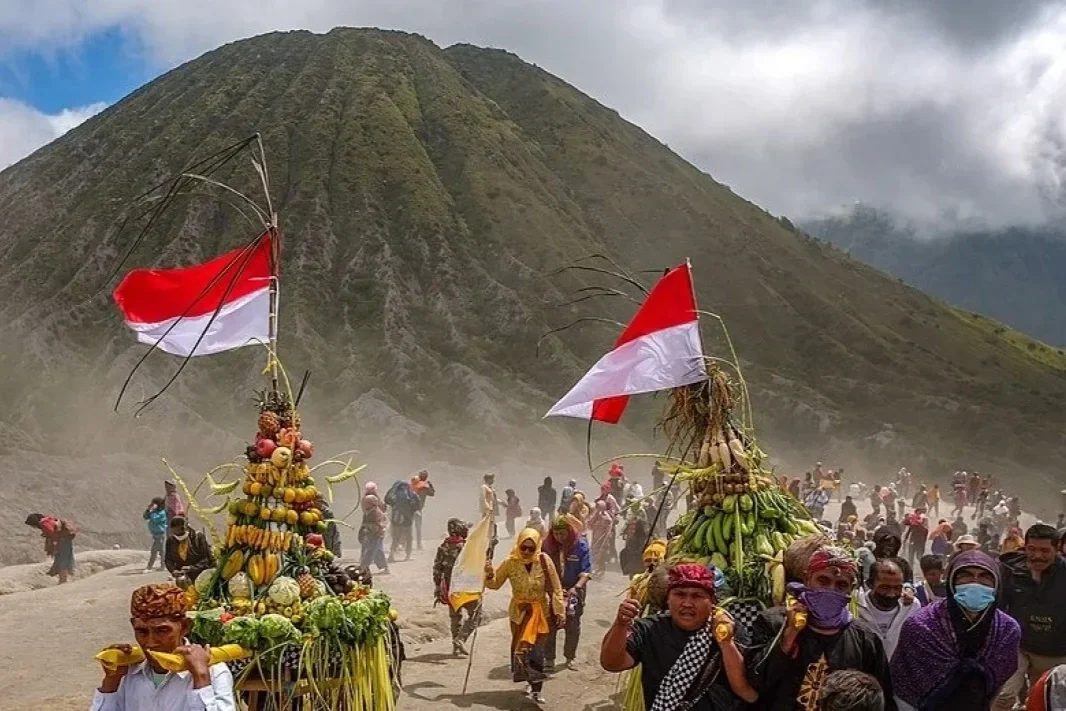
E2: Indonesia – Offerings to the Volcano
(Yadnya Kasada, Mount Bromo)
In the mountain villages surrounding Mount Bromo, the Tenggerese people prepare for Yadnya Kasada, a centuries-old ritual offering to the volcano they believe protects their community. The host meets local families, learns the legend of an ancient royal sacrifice, and witnesses the careful preparation of offerings of fruit, rice, flowers, and livestock.
Before dawn, the journey crosses a vast sea of volcanic sand toward the smoking crater. As prayers rise with sulfurous mist, devotees cast their offerings into the volcano’s glowing mouth. Along the crater walls, young men descend with nets, attempting to catch what they can before it disappears into the depths, a dangerous tradition that has become part of the ritual’s living economy.
Sharing food and stories in the shadow of the mountain, the host moves from observer to participant, standing at the edge of an active volcano to understand how faith, survival, and nature remain inseparable in one of Indonesia’s most dramatic landscapes.
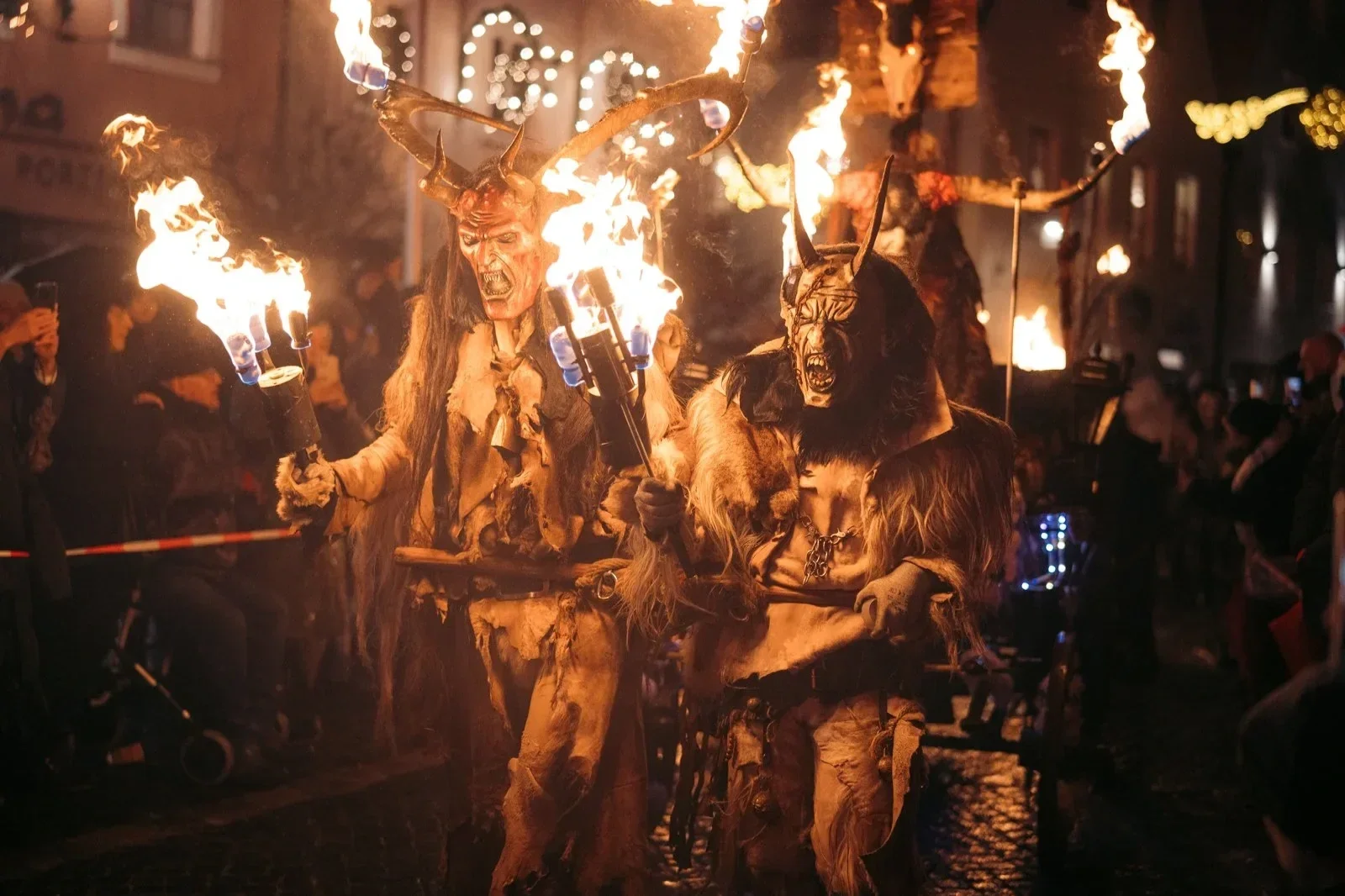
E3: Austria – Chasing the Winter Spirits
(Perchtenlauf, Austria )
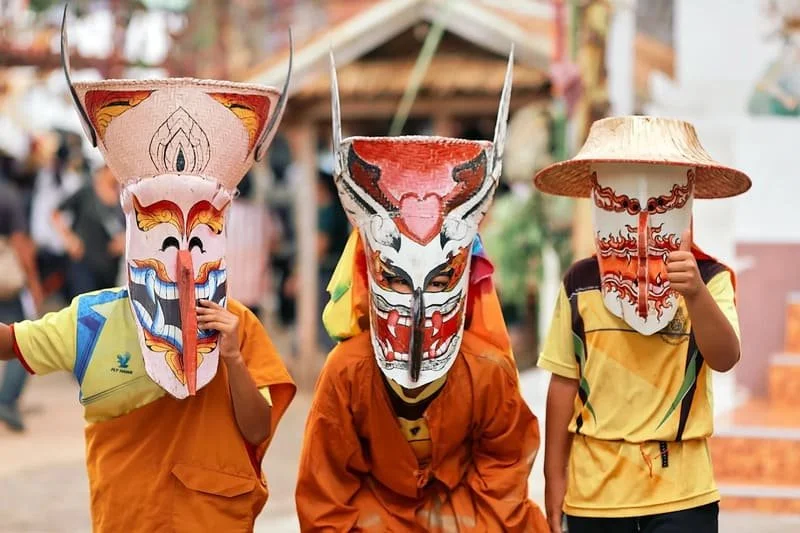
In the Alpine villages of Austria and Bavaria, winter arrives with the thunder of bells and the growl of masked figures known as Perchten. Rooted in pre-Christian folklore, Perchtenlauf is a ritual procession meant to drive away evil spirits and chase out the darkness of winter.
The host begins in a mountain town workshop, meeting mask carvers and costumed runners preparing for the night. Heavy wooden masks are hand carved, furs are layered, and massive cowbells are strapped tight. Each figure represents either the beautiful Perchten, symbols of prosperity, or the wild, demonic spirits of winter.
When night falls, firelight flickers across snow covered streets as the procession erupts. Masked figures charge through the crowd, bells clanging and sparks flying, their presence both terrifying and theatrical.
Through conversations with local families and participants who have inherited the tradition across generations, the host steps inside the ritual, discovering how folklore, fear, and community identity continue to shape life in the high Alps.
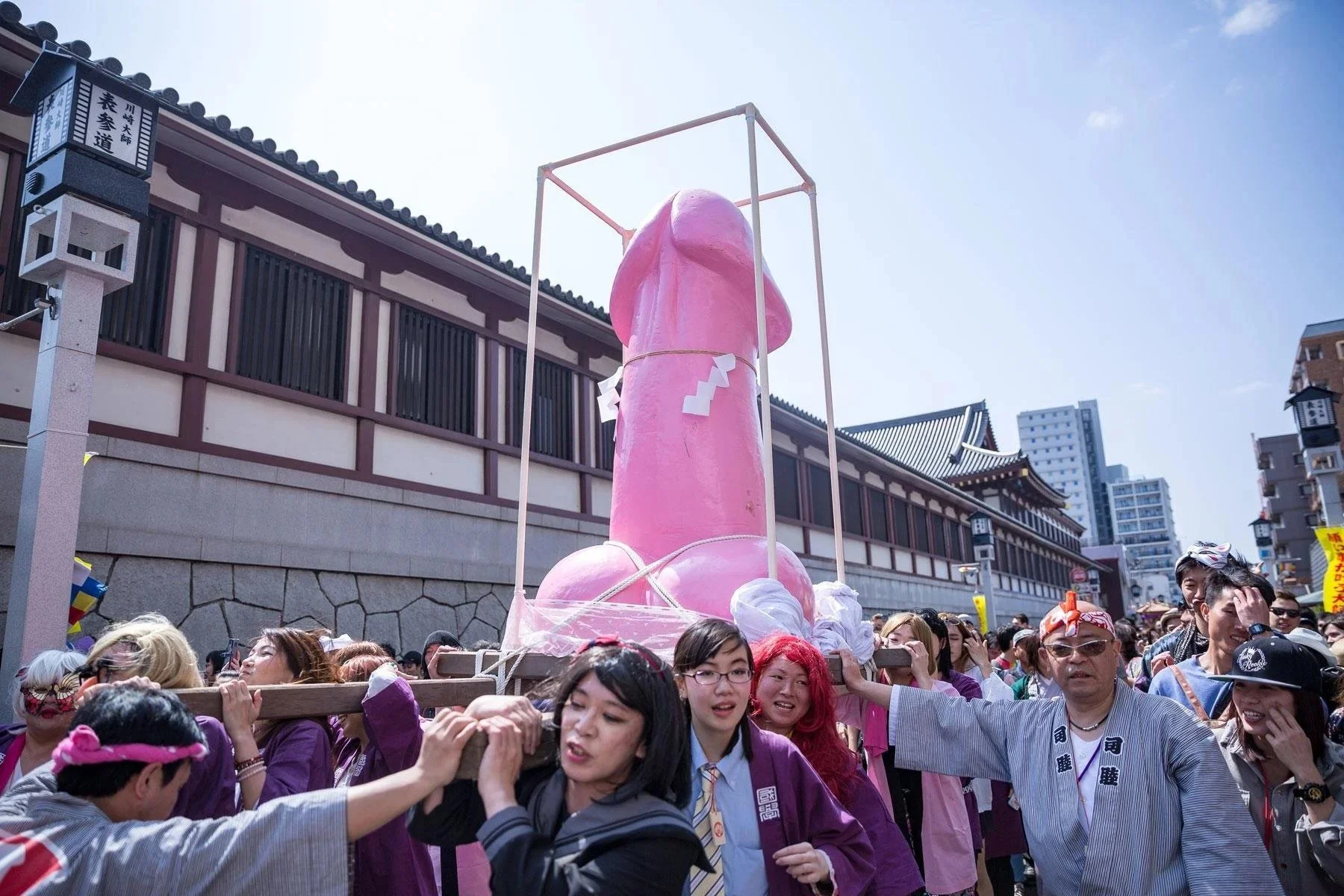
E4: Japan – The Festival of the Steel Phallus
(Kanamara Matsuri, Kawasaki)
In Kawasaki, just south of Tokyo, thousands gather each spring for Kanamara Matsuri, a Shinto festival centered on fertility, protection, and prosperity. What appears playful on the surface is rooted in centuries-old beliefs tied to safe childbirth, sexual health, and the protection of sex workers during the Edo period.
The host begins at the Kanayama Shrine, meeting local organizers and worshippers who explain the symbolism behind the portable shrines and oversized phallic icons carried through the streets. Vendors prepare themed sweets and souvenirs, while families and visitors crowd the narrow lanes in celebration.
When the procession begins, brightly decorated mikoshi bearing sculpted steel and wooden icons move through the city in a vibrant, almost surreal parade. Laughter mixes with prayer, irreverence with devotion.
Through shared food, candid conversations, and participation in the procession, the host discovers how a festival often reduced to spectacle is, at its core, a living expression of community, protection, and evolving attitudes toward sexuality in modern Japan.
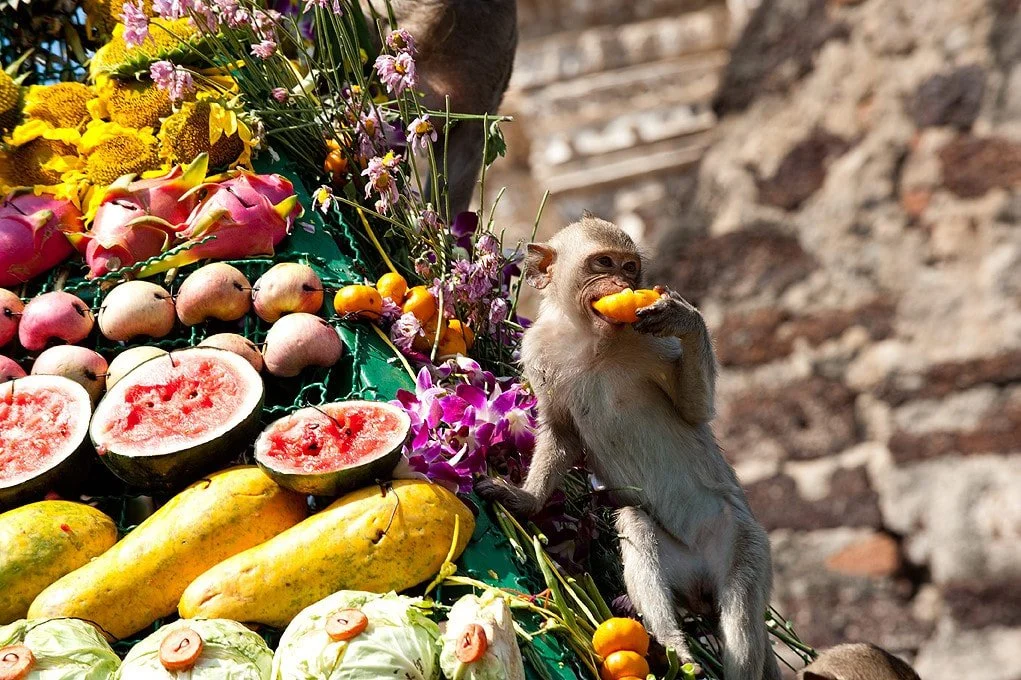
E5: Thailand – The Monkey Banquet
(Lopburi Monkey Banquet, Lopburi)
In the ancient temple city of Lopburi, thousands of macaques gather for the annual Monkey Banquet, a tradition rooted in local mythology and the belief that the monkeys bring good fortune.
The host meets shopkeepers and residents who live alongside the animals year-round, learning how the festival began as an offering and evolved into a citywide celebration. As preparations unfold, long tables are piled high with fruit, vegetables, and sweets carved and arranged entirely for the monkeys.
When the feast begins, the scene turns chaotic. Macaques swarm the food, climb crumbling Khmer towers, and weave through crowds, blurring the line between sacred symbol and daily nuisance.
Through close encounters inside the historic ruins, the host explores how Lopburi balances reverence, tourism, and coexistence with a population of animals that has come to define the city’s identity.
E6: Spain – Born Beneath the Devil’s Leap
(El Colacho, Castrillo de Murcia)
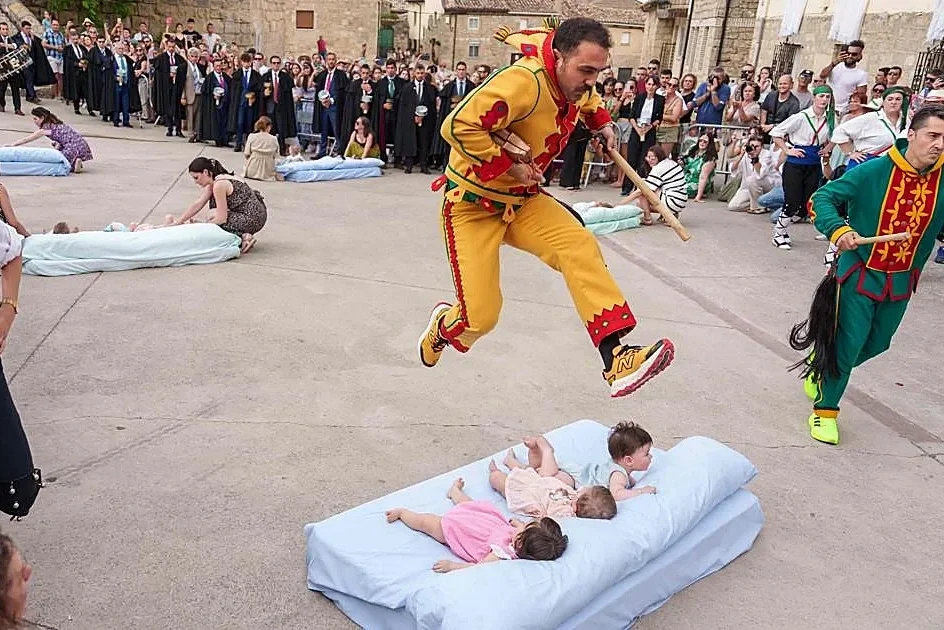
In the small Spanish village of Castrillo de Murcia, a man dressed as the devil sprints through narrow streets and leaps over rows of babies laid on mattresses. Known as El Colacho, the centuries-old Catholic ritual is believed to cleanse infants of original sin and protect them from misfortune.
The host arrives as the village prepares for Corpus Christi, meeting parents who have volunteered their children and locals who have inherited roles passed down through generations. Costumes are fitted, drums rehearse their rhythm, and the tension builds.
When the procession begins, the “devil” charges forward, whip cracking, before vaulting over the infants in a single bound. The act is brief but electrifying, blending fear, faith, and community trust.
Through conversations with families and participants, the host explores how a ritual that appears shocking to outsiders remains, for this village, an expression of protection, belief, and deep-rooted tradition.
E7: Pakistan – The Longest Night in Kalash
(Chawmos Festival, Kalash Valley)
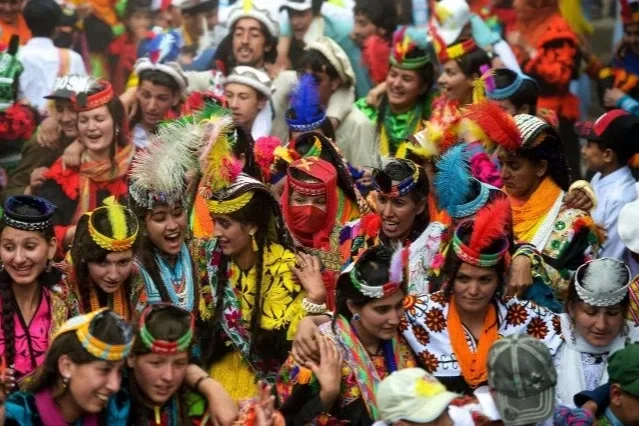
In the remote Kalash Valley of northern Pakistan, the arrival of winter marks Chawmos, a solstice festival celebrating renewal, purification, and the turning of the year. Practiced by the Kalash, one of the region’s smallest Indigenous communities, the festival blends ancient polytheistic belief with seasonal ritual.
The host begins in snow-dusted mountain villages, meeting elders and families preparing for days of ceremony. Traditional black robes embroidered with bright patterns are worn with beaded headdresses, and food is prepared for communal feasts and offerings.
As night falls, bonfires light the valley and rhythmic dances unfold beneath towering peaks. Songs echo through the cold air as men and women move in circles, marking the end of one cycle and the beginning of another.
Through shared meals, music, and conversation, the host experiences a community reaffirming its identity in a rapidly changing world, where celebration is both spiritual devotion and cultural preservation.
E8: Madagascar – Turning of the Bones
(Famadihana, Central Highlands)
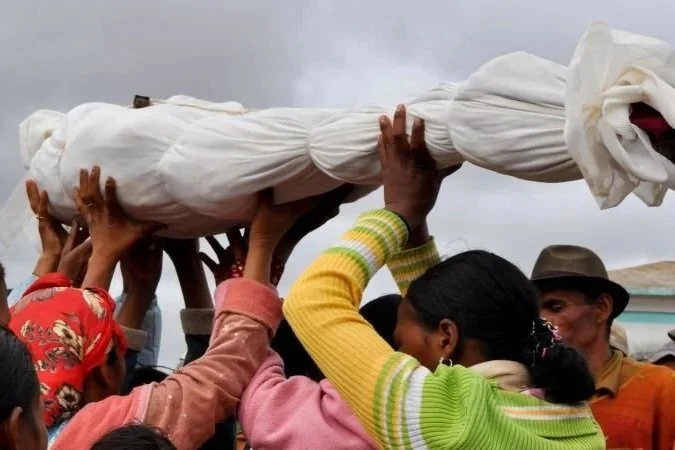
In the highlands of Madagascar, families gather for Famadihana, the “turning of the bones,” a ritual in which ancestors are exhumed, rewrapped in fresh silk shrouds, and celebrated with music, dancing, and feasting. For the Malagasy, the dead are not gone. They remain active members of the family, guiding and protecting the living.
The host begins by meeting a family preparing for the ceremony, learning how ancestors are honored and why this costly gathering may only happen once every several years. Musicians tune instruments, food is prepared, and relatives travel long distances to reunite.
When the tomb is opened, solemnity shifts to celebration. Families lift the remains, dance with them to live music, and speak to them as loved ones. What may seem startling from the outside is, within the community, an act of love and continuity.
Through shared meals and intimate conversations, the host experiences how memory, grief, and joy coexist in a tradition that refuses to separate the living from the dead.